Heart Beat Font: A Designer's Guide to Warmth and Authenticity
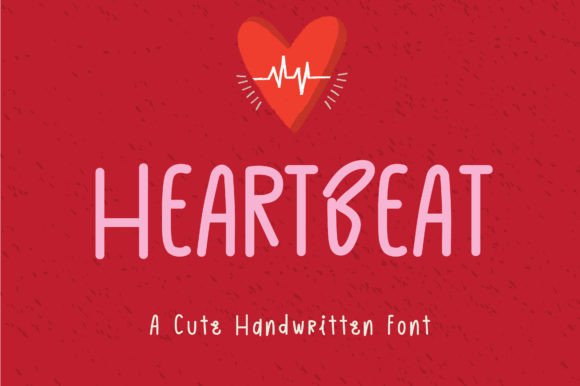
There's a particular quality in design that's hard to manufacture: genuine warmth. You know it when you see it. It's the feeling you get from a hand-written note tucked into a gift, or the friendly scrawl on a chalkboard menu at your favorite cafe. This is the space the Heart Beat Font occupies. It’s not just another script font; it’s a typeface built on the foundation of human connection. Its sweet, friendly, and natural handwritten style offers a unique personality that can elevate a design from simply looking good to feeling right. The real question for any creative professional isn't just what it is, but how to use it effectively to create that authentic connection.
Capturing a Handmade, Approachable Vibe
At its core, the Heart Beat Font is a premium font that mimics the irregularities and flow of natural handwriting. Unlike rigid, geometric typefaces, its characters have subtle variations in baseline and stroke, giving it a lively, organic texture. This is its greatest strength. It immediately communicates a sense of care, creativity, and personal touch. Think of it as a design asset that bridges the gap between polished professionalism and relatable humanity. It’s a creative font designed for projects where you want the audience to feel welcomed rather than addressed.
This personality makes it incredibly versatile. It’s not a formal serif font for legal documents, nor is it a clean sans serif font for a tech startup's UI. Instead, Heart Beat shines in contexts where emotion and approachability are key. Its visual weight and style make it a fantastic display font, perfect for headlines, logos, and short, impactful statements that need to carry a lot of feeling. It’s the typographic equivalent of a warm smile.
Where Heart Beat Truly Connects: Real-World Applications
The true test of any typeface is its application. The Heart Beat Font finds its home in a wide array of projects, particularly within the realms of brand identity, editorial design, and social media graphics. For a small business owner crafting a brand, especially in the wellness, artisanal food, lifestyle, or boutique retail space, this font can become a cornerstone of their visual language. It’s perfect for a bakery's logo, a yoga studio's signage, or the branding for a handmade jewelry line. It helps build a brand identity that feels personal and trustworthy.
In publishing and marketing, its utility is just as strong. Imagine it on the cover of a recipe book, in the chapter headings of a personal memoir, or as the pull quotes in a lifestyle magazine. For packaging design, it can add a charming, "made with love" aesthetic to labels for candles, sores, or gourmet goods. Digital creators can leverage it for engaging social media graphics—think Instagram stories, Pinterest pins, and YouTube thumbnails—where it helps content stand out in a crowded feed with its unique character. It’s a modern typography choice that feels both current and timeless in its warmth.
Practical Guidance for Using Heart Beat Effectively
Choosing a font is just the first step. Using it well is what separates good design from great design. When working with the Heart Beat Font, consider these practical points:
- Font Pairing is Crucial: A handwritten font like Heart Beat needs a stable partner. For body text or longer paragraphs, pair it with a highly legible sans serif font or a clean, modern serif font. This creates a clear visual hierarchy, allowing Heart Beat to handle the emotional headlines while the secondary font ensures readability for the details. A good pairing enhances professionalism.
- Test for Readability: While beautiful, script fonts can be challenging at small sizes or in long blocks of text. Always test your designs at the intended scale. Heart Beat is best used for short bursts of text—headlines, subheads, logos, and call-to-action buttons—where its personality can shine without compromising clarity.
- Review the Full Character Set: A quality commercial font like Heart Beat often comes with stylistic alternates, ligatures, and extended language support. Before starting a big project, explore the full glyph set. These extra characters can help you avoid repetitive letterforms and add a more authentic, custom feel to your lettering.
- Understand the Licensing: For any project that will be distributed or used commercially—whether it's a client's logo, a product for sale, or a published document—ensure you have the correct commercial license. This protects you and your client and is a mark of a professional workflow.
Beyond the Font: Building a Cohesive System
Remember, a font is one element within a larger design system. The Heart Beat Font works best when its warmth is balanced with other thoughtful design choices. Use ample white space to let the typography breathe. Choose a color palette that complements its friendly nature—soft pastels, earthy tones, or warm neutrals often work beautifully. When used as part of a considered system, Heart Beat does more than just look nice; it actively contributes to audience engagement, making your message more memorable and your brand more recognizable. It’s a tool for building connection, one thoughtful design at a time.