Flower Bucket Font: A Handwritten Charm for Your Designs
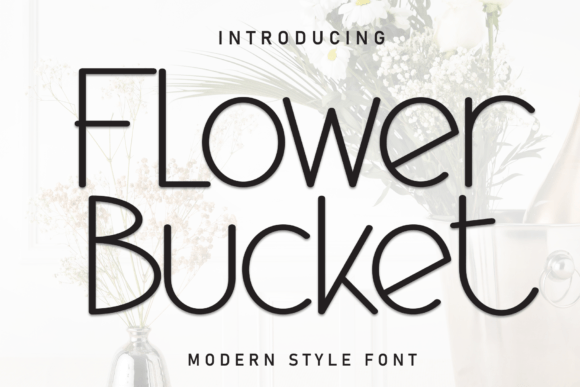
There's a certain magic in a font that feels like it was written just for you. Flower Bucket Font captures that intimate, personal touch, wrapping your words in a warmth that's immediately inviting. This isn't just another typeface; it's a spirited, handwritten font with a sweet and amicable appeal. Its slightly irregular baselines and gentle, flowing strokes mimic the authentic look of a heartfelt note, making it a standout creative font for projects that need to connect on a human level. It’s the design equivalent of a friendly smile.
Where This Playful Typeface Truly Shines
While many display font options can feel rigid or overly stylized, Flower Bucket Font excels in scenarios demanding a playful twist and genuine warmth. Its personality is perfectly suited for applications where intimacy and approachability are key. Think beyond standard layouts and consider where a touch of handwritten magic can transform the ordinary into the charming.
This premium font is a natural fit for the wedding industry, adding a layer of romance and personalization to invitations, save-the-dates, and ceremony programs. Greeting card designers find it invaluable for crafting messages that feel sincere and celebratory. For packaging design, especially for artisanal goods, bakeries, or boutique brands, it communicates craftsmanship and care. In the digital realm, it brings life to social media graphics, blog headers, and email newsletters, making content feel less corporate and more conversational. Even in editorial design, it can be used for pull quotes, chapter titles, or magazine features to break the monotony of standard body text with a burst of personality.
Strategic Pairings and Visual Hierarchy
Using a handwritten font like Flower Bucket Font effectively requires a bit of strategy. Its strength is in headlines, logos, and short, impactful text blocks. For body copy, pairing it with a clean, highly readable sans serif font or a classic serif font creates a balanced font pairing. This contrast ensures your message is both beautiful and legible. Imagine a wedding invitation where "Sarah & Michael" is set in the flowing curves of Flower Bucket, while the event details are in a simple, elegant sans serif below. This creates a clear visual hierarchy, guiding the eye and enhancing the overall brand identity of the event.
This principle extends to logo design and brand identity. A bakery might use Flower Bucket Font for its primary logo to evoke homemade goodness, then pair it with a sturdy sans serif for menus and signage. This consistency across design assets builds recognition and reinforces the brand's friendly, approachable personality. It’s a tool for modern typography that prioritizes emotional resonance.
Practical Guidance for Designers and Creators
Before integrating any new typeface into your workflow, a practical evaluation is crucial. Flower Bucket Font is a versatile asset, but ensuring it’s the right fit for your specific project will save time and elevate results.
First, consider your audience and medium. Is the project for a youthful, creative audience or a more traditional one? Will it be viewed on screen or in print? Test the font at the actual size it will be used. While it’s a creative font meant for display, readability at very small sizes or on low-resolution screens can be a consideration. Always check the included styles; many premium font packages include multiple weights, stylistic alternates, or ligatures that can add depth to your design.
Licensing is another critical checkpoint. If your project is commercial—a product for sale, a client’s marketing material, or a monetized blog—ensure you have the correct commercial font license. Reputable foundries provide clear terms. Finally, think about consistency. If you’re building a brand, use Flower Bucket Font sparingly but consistently for key touchpoints. This disciplined approach helps craft a memorable brand identity rather than a disjointed aesthetic.
Real-World Application: A Blogger's Secret Weapon
Consider a food blogger looking to stand out. Using a standard system font for post titles is safe but forgettable. By adopting Flower Bucket Font for their main headings, they instantly inject personality and warmth into their web design. It signals to readers that this is a space for approachable, home-style cooking. Paired with a clean sans serif for the recipe body, the site remains easy to read. This thoughtful use of a handwritten font enhances user engagement, makes the content more shareable as social media graphics, and contributes to a cohesive, recognizable online presence. It’s a small change with a significant impact on audience perception and connection.
In the end, Flower Bucket Font is more than a collection of glyphs. It’s a tool for storytelling, a way to sprinkle magic and intimacy onto your projects. By understanding its personality, strategically pairing it with other typefaces, and applying it thoughtfully, you can leverage its charming appeal to create designs that truly resonate and leave a lasting, friendly impression.