Dandelion Font: A Delicate Touch for Personalized Designs
The Essence of Dandelion: More Than Just a Font
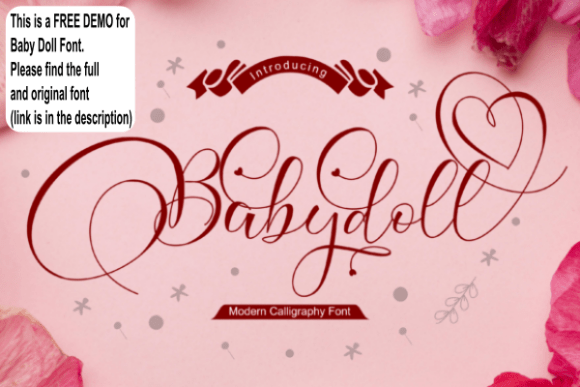
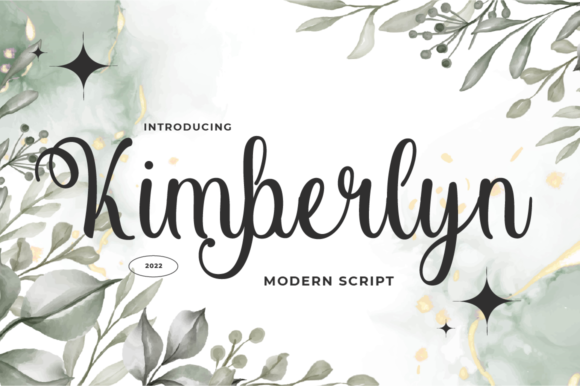
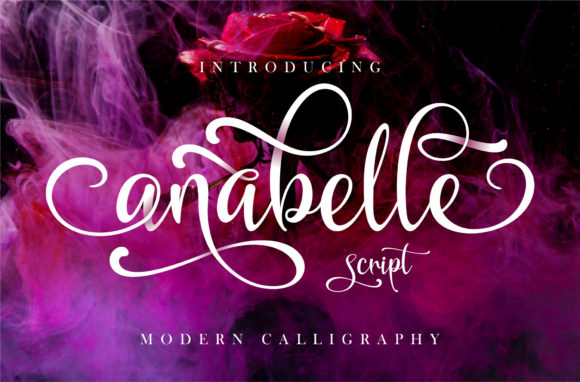
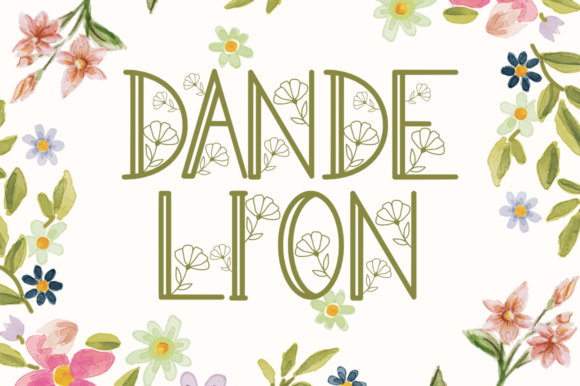
When you first encounter the Dandelion font, it’s less like seeing a typeface and more like receiving a handwritten note from a friend with impeccable taste. This isn't a font that shouts for attention with sharp, geometric angles. Instead, it whispers with the gentle, flowing curves of its script and handwritten style. Each character feels intentionally crafted, with a delicate weight and a natural, slightly irregular baseline that mimics the organic rhythm of hand lettering. The overall personality is one of elegance, warmth, and approachability. It’s a premium font that feels personal, making it a powerful design asset for projects where human connection is key.
Think of it as the typographic equivalent of a pressed flower in a journal or a carefully chosen wax seal on an envelope. The visual style of Dandelion avoids the rigidity of a standard sans serif font or the formal structure of a traditional serif font. Its appeal lies in this very softness. The letterforms have a slight bounce and varied stroke widths, creating a texture that is visually interesting without being cluttered. This makes it a standout creative font for designers looking to inject a dose of authenticity and care into their work.
Where Dandelion Truly Blossoms: Practical Applications
The real strength of a typeface like Dandelion is its ability to transform the ordinary into the extraordinary. Its applications are wide-ranging, but it excels in projects where a personalized style is paramount. In the world of editorial design and packaging design, it can be used for product names, taglines, or short descriptive text on artisanal goods, cosmetics, or boutique food items. It immediately signals a product crafted with care, elevating the perceived value and strengthening the brand identity around quality and uniqueness.
For web design and social media graphics, Dandelion works beautifully for headers, quotes, and call-to-action phrases that need to feel inviting rather than demanding. A blog post title set in Dandelion can set a reflective, creative tone. On Instagram, it can make promotional text feel like a natural part of a curated feed. However, a critical consideration is context. While perfect for a wedding photographer’s logo or a florist’s website menu, it would be unsuitable for the body text of a technical manual or a law firm’s primary heading. Its role is accent and emotion, not bulk information delivery.
- Wedding Invitations & Stationery: This is its native habitat. Dandelion is built for wedding invitations, thank you cards, and save-the-dates. It sets a romantic, intimate tone that standard fonts simply cannot achieve.
- Logo Design & Branding: For businesses like bakeries, boutique hotels, event planners, or lifestyle coaches, a Dandelion logo mark can communicate approachability and bespoke service. It works best when paired with a clean sans serif font for supporting text.
- Greeting Cards & Personal Projects: From birthday cards to motivational prints, its inherent charm makes any message feel more heartfelt. Crafters and hobbyists will find it invaluable for DIY projects.
Strategic Use: Pairing, Readability, and Licensing
Using a distinctive display font like Dandelion effectively requires a bit of strategy. The most common mistake is overuse. Its delicate details can become lost or create visual noise when used for long paragraphs. The golden rule is to use it for headlines, short phrases, or single words to create a strong focal point, then pair it with a highly legible font for body copy. A classic font pairing would be Dandelion with a neutral, geometric sans serif font like Montserrat or Lato. This contrast creates a clear visual hierarchy, where the headline draws you in with personality, and the body text delivers the information cleanly.
Before committing to Dandelion for a commercial project, it’s wise to conduct a few tests. Print a sample at the intended size to check readability, especially for smaller text on packaging or cards. Examine the full character set; does it include the punctuation, numerals, and accented characters you need for your brand identity or editorial design work? A comprehensive premium font package will often include stylistic alternates or ligatures, offering more versatility.
Finally, understanding the licensing is non-negotiable for commercial font use. Always verify that the license covers your intended application, whether it’s for a client’s logo design, products for sale, or digital social media graphics. Reputable font foundries and marketplaces are clear about their terms. Using a font like Dandelion correctly—respecting its strengths, pairing it thoughtfully, and ensuring proper licensing—allows you to harness its full potential. It’s not just a design asset; it’s a tool for building connection, one carefully chosen word at a time.