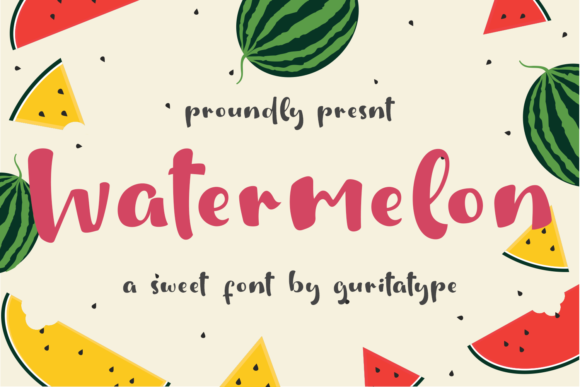
Watermelon: A Trendy Script Font for Modern Designs
There's a specific feeling you get when you find a font that just works. It’s not just about the letters themselves, but the personality they bring to a project. You’re looking for something that feels fresh, energetic, and a little bit playful without sacrificing sophistication. This is the space where the Watermelon font lives. It’s a script font that captures a contemporary, handwritten vibe, making it a surprisingly versatile tool in a designer’s or creator’s toolkit. Forget stuffy, formal calligraphy; Watermelon offers a more authentic, human touch that resonates with modern audiences.
Understanding the Watermelon Aesthetic
At its core, Watermelon is a display font. Its primary role is to catch the eye, set a mood, and deliver a headline with personality. The letterforms are connected in a flowing, natural cursive, mimicking the fluidity of a marker or brush pen. The baseline has a gentle, organic bounce, which immediately gives it a relaxed and approachable character. This isn't a rigid, perfectly uniform typeface; the slight irregularities are what give it charm and authenticity, a key trait in popular modern typography.
Its visual personality is decidedly upbeat and friendly. You can almost sense the energy behind each stroke. This makes it a fantastic creative font for projects that aim to connect on an emotional level. While it has a casual air, the letterforms are well-balanced and crafted with enough care to feel premium, distinguishing it from free, lower-quality alternatives. It’s a premium font designed for real-world application, where both aesthetics and performance matter.
Where Watermelon Truly Shines: Real-World Applications
The true test of any design asset is its utility. Where does a font like Watermelon find its home? Its strength lies in applications where personality and direct communication are paramount.
- Branding and Logo Design: For businesses targeting a youthful, creative, or lifestyle-focused market, Watermelon can be a fantastic choice for a wordmark or a logotype. Think of a boutique coffee shop, a handmade jewelry brand, a personal blog, or a local florist. It helps build a brand identity that feels personal and accessible, not corporate and distant.
- Packaging Design: Imagine this font on a label for artisanal jam, a line of organic skincare, or a craft brewery’s seasonal beer. Watermelon adds a touch of artisanal quality and helps the product stand out on a crowded shelf by conveying a sense of fun and care.
- Digital and Social Media Graphics: In the fast-scrolling world of social media, grabbing attention is everything. Watermelon is perfect for Instagram story headers, quote graphics, promotional announcements, and YouTube thumbnails. Its readability at a glance makes it ideal for digital-first content.
- Editorial Design and Publishing: While not for body text, it works beautifully for pull quotes, chapter titles, or section headings in magazines, lookbooks, and even book covers, especially in genres like romance, young adult fiction, or lifestyle guides.
- Web and Web Design: Used strategically, it can bring warmth and personality to a website. It’s excellent for hero section headlines, call-to-action buttons, or accent text in a sidebar. Pairing it with a clean sans serif font or a classic serif font for the main body text is crucial for maintaining overall site readability.
Practical Guidance: Working with Watermelon Effectively
Choosing a font is only half the battle. Using it effectively is what separates good design from great design. Here’s how to get the most out of Watermelon.
Evaluating Project Fit and Readability
Before you commit, ask yourself: does this font’s personality match the project’s message? Watermelon’s friendly, energetic style is perfect for a yoga studio’s promotional poster but might not be the right fit for a law firm’s annual report. Its primary function is as a display font, so avoid using it for long paragraphs of text. Its readability diminishes significantly in small sizes or in large blocks. Think of it as the headline act, not the entire supporting cast.
Mastering Font Pairing
The key to using a strong script like Watermelon is balance. A successful font pairing creates contrast and hierarchy. Since Watermelon is expressive and ornate, it pairs exceptionally well with simple, geometric sans serif fonts like Montserrat or Poppins. This contrast allows the script to stand out while the body text remains highly legible. Alternatively, you could pair it with a clean, transitional serif font like Lora or Georgia for a more classic, editorial feel. The goal is to let Watermelon be the star of the show for key phrases.
Exploring Font Features and Licensing
A quality commercial font often comes with more than just basic letters. Check the font files for stylistic alternates, ligatures, or swashes. These extra glyphs can add flair and customization, allowing you to make the text feel even more unique. Watermelon often includes these features, giving you more creative control. Finally, always be mindful of the licensing. For any professional or commercial use—whether it’s for a client’s logo, a product you sell, or a monetized blog—ensure you have the correct commercial font license. This protects you legally and supports the type designers who create these valuable tools.
Ultimately, Watermelon is more than just a trendy script; it’s a versatile handwritten font that can inject life and authenticity into a wide range of projects. By understanding its strengths and applying it thoughtfully, you can leverage its unique charm to create designs that are not only beautiful but also strategically effective.