Using Gnome Destiny: A Guide for Playful Design Projects
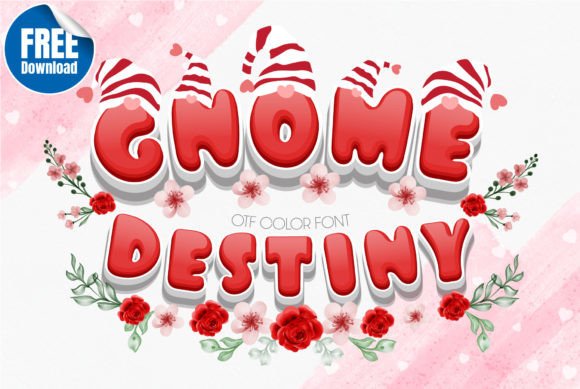
Finding a typeface that genuinely captures a sense of whimsy and warmth can be a challenge. Many fonts feel overly corporate or too casual, leaving a gap in the middle for projects that need personality without sacrificing clarity. This is where a distinctive premium font like Gnome Destiny finds its place. It’s a color font, meaning the letters themselves contain built-in color and texture, offering a finished look right out of the box. For designers and creators, this is more than just a novelty; it’s a practical tool for specific, targeted work.
Understanding the Font's Personality
Gnome Destiny is best described as a creative font with a sweet, storybook character. Its forms are rounded and friendly, evoking a feeling of innocence and approachability. The visual style leans into a handcrafted aesthetic, making it feel personal and inviting. This isn't a sans serif font for corporate reports, nor is it a formal serif font for traditional publishing. Its personality is aligned with childhood, celebration, and lightheartedness. The built-in color—likely soft pastels or vibrant, playful hues—enhances this effect, eliminating the need for manual coloring in many applications.
The overall appeal lies in its ability to communicate warmth instantly. In a design landscape saturated with minimalist modern typography, Gnome Destiny offers a refreshing dose of charm. It’s a display font meant for headlines and short bursts of text where personality needs to shine through immediately.
Where Gnome Destiny Truly Shines
This typeface excels in projects where the audience is young or young at heart. Its most natural home is in designs for children. Think birthday party invitations, baby shower announcements, or branding for a pediatric dentist’s office. The font’s gentle curves and friendly demeanor put children and parents alike at ease.
Educational materials are another perfect fit. School projects, classroom posters, reading charts, and educational apps benefit from a font that feels engaging and supportive rather than rigid. The visual style encourages learning in a fun environment.
Beyond direct child-focused applications, consider its use in:
- Packaging Design for artisanal, whimsical products like homemade jams, craft kits, or specialty toys.
- Logo Design for businesses targeting families, such as daycares, tutoring centers, or family-friendly cafes.
- Social Media Graphics for bloggers, content creators, and small businesses in the parenting, lifestyle, or crafting niches. It adds a pop of personality to quotes, announcements, and promotional posts.
- Editorial Design for children’s book titles, chapter headings, or magazine features aimed at a younger demographic.
It’s also a fantastic asset for personal projects. Crafters using compatible software can create custom stickers, labels, and decorations with a professional, cohesive look.
Practical Guidance for Implementation
Choosing the right font is only half the battle. Using it effectively is what separates a good design from a great one. Here’s how to approach Gnome Destiny in your workflow.
Evaluating Project Fit
Before you commit, ask yourself: Does the tone of my project align with a sweet, playful aesthetic? If your brand is serious, technical, or ultra-premium, this likely isn’t the right choice. But if your goal is to convey joy, innocence, or creativity, it’s worth exploring.
Testing Font Pairings
Because Gnome Destiny is so stylistic, it pairs best with simple, neutral fonts. Use it for your headline or key phrase, then pair it with a clean sans serif font or a straightforward script font for body text. This creates a clear visual hierarchy, letting the playful font do the heavy lifting for impact without overwhelming the reader. Avoid pairing it with other highly decorative or handwritten fonts, as this can create visual clutter and harm readability.
Readability and Application
As a display font, its primary strength is in large sizes. Use it for titles, logos, and short headings. It is not designed for long paragraphs or small body copy, where its intricate details could become hard to read. Always test the font at the size you intend to use it. The built-in color of this Opentype-SVG font may appear differently on screen versus in print, so proofing is essential.
Technical Considerations and Licensing
This is a critical point. Gnome Destiny is a color font compatible with specific professional software: Photoshop, Illustrator, Silhouette, and Inkscape. The standard OTF/TTF files are not compatible with Cricut machines. If you use Cricut, this is an important limitation to note before purchasing.
For a smooth experience, consult the Ultimate Font Guide provided by the font creator. It will detail exactly how to install and use this type of design asset in your preferred program.
Finally, always review the commercial font license. Understand what is permitted for your use case, whether it’s for client work, commercial products, or personal projects. This ensures your use is compliant and professional.
In the right context, a font like Gnome Destiny isn’t just a letter set—it’s a tool for storytelling. It helps build a brand identity that feels approachable and joyful, engaging an audience in a way that more neutral fonts simply cannot. When your project calls for that specific sweet and fun character, having this premium font in your toolkit can make all the difference.