Something: The Handwritten Font for Your Coziest Projects
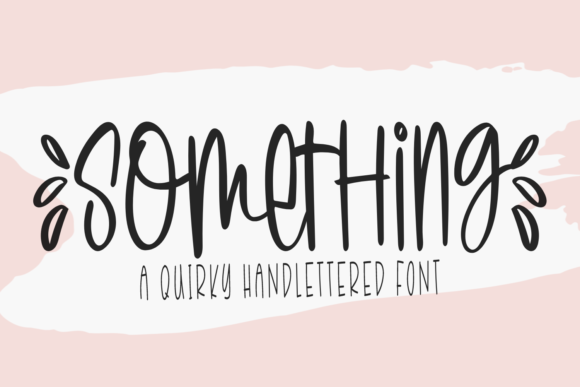
You know that feeling when you stumble upon a design element that just feels right? It’s not flashy or demanding attention; it simply fits, like a favorite worn-in sweater or the perfect cup of coffee on a quiet morning. That’s the essence of Something. This typeface isn’t about making a bold, architectural statement. Instead, it offers a gentle, authentic warmth. It’s a handwritten font that captures the casual, relaxed energy of a personal note, making it an invaluable design asset for creators who value connection over formality.
The Personality Behind the Letters
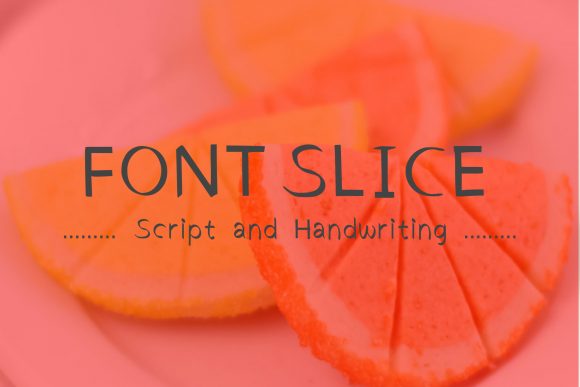
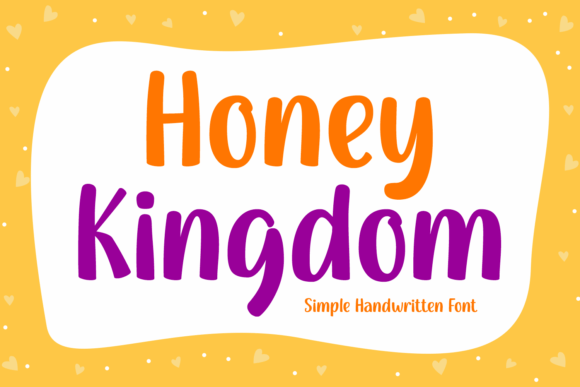
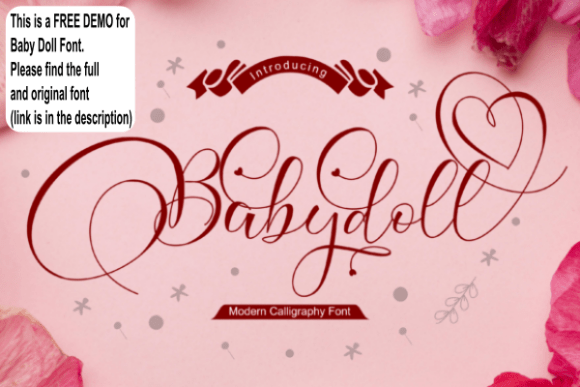
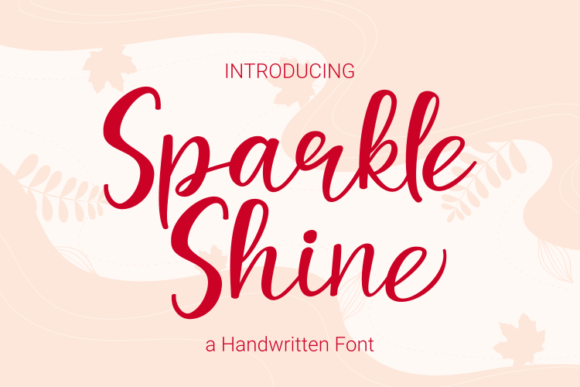
At its core, Something is a display font with a distinctly human touch. Its letters have a soft, rounded quality, with natural variations in stroke weight that mimic the slight imperfections of real handwriting. This isn’t a rigid, geometric script; it flows with an easy rhythm. The baseline has a gentle sway, and the connections between letters feel organic, not mechanical. This character makes it a creative font that breathes life into projects. It avoids the sterile feel of many digital typefaces, instead offering a personality that is approachable, friendly, and trustworthy. It’s the typographic equivalent of a sincere smile.
Where Something Truly Shines
The practical applications for a font like this are vast, precisely because its appeal is so universal. Think about projects where a personal touch is paramount. For editorial design, it can bring warmth to pull quotes, chapter titles, or blog headers, breaking up the monotony of body text set in a sans serif font. In packaging design, especially for artisanal goods, boutique brands, or eco-friendly products, Something can convey craftsmanship and care. Imagine it on a label for handmade soap or a tag for a small-batch coffee blend—it immediately tells a story of thoughtfulness.
In the digital realm, this modern typography choice works wonders for social media graphics. A quote card set in Something feels more like a shared thought from a friend than a corporate broadcast. It’s perfect for Instagram stories, Pinterest pins, and Facebook posts where engagement is driven by relatability. For web design, it can be used sparingly but effectively for call-to-action buttons, testimonial sections, or author bylines, adding a layer of warmth to a user interface that might otherwise feel cold. It’s a premium font that serves as a bridge between professionalism and personality.
Making It Work: A Practical Guide
Choosing the right font is a strategic decision. Before you dive in, consider the project’s tone. Is it a formal annual report? Probably not the right fit. Is it a wedding invitation, a community newsletter, a blog about sustainable living, or branding for a yoga studio? Something is likely a strong contender. The key is to match the font’s inherent casualness with the project’s desired emotional response.
One of the most important steps is font pairing. Because Something is a script font with high personality, it needs a partner that provides stability and readability. A clean, geometric sans serif font like Montserrat or Lato creates a beautiful contrast, allowing the handwritten headlines to pop while keeping body text legible. Alternatively, pairing it with a sturdy serif font like Lora or Merriweather can yield a classic, literary feel, perfect for book covers or logo design for a boutique publisher. Always test your pairings in context. Set a sample headline and a paragraph to see how the weights, sizes, and x-heights interact.
When you acquire Something as a commercial font, review the full package. Does it include multiple weights (light, regular, bold)? Are there stylistic alternates or ligatures? These details are what separate a basic typeface from a versatile design asset. Alternates can help you customize the look, avoiding repetition in longer words or creating a more unique monogram for a brand identity. Also, check the licensing. For entrepreneurs and small business owners using it on merchandise, in a logo, or across marketing materials, an extended commercial license is essential for legal and professional peace of mind.
Readability is non-negotiable. While Something is excellent for short bursts of text—headlines, subheads, logos, and captions—it should not be used for long-form body copy. The very characteristics that make it charming (the varied baseline, the connected letters) can cause eye strain over paragraphs of text. Use it strategically. Let it highlight key messages, but delegate the heavy lifting of reading to a more neutral sans serif font or serif font. This practice not only preserves readability but also creates a stronger visual hierarchy, guiding the viewer’s eye exactly where you want it to go.
Ultimately, integrating Something into your toolkit is about adding a specific kind of voice to your work. It’s a voice that says, “This was made with care.” It helps build brand recognition not through loudness, but through consistency of character. When your audience sees that familiar, friendly script across your website, your packaging, and your social feeds, they begin to associate that warmth with your entire brand identity. It’s a subtle but powerful way to foster connection and loyalty in a crowded marketplace.