Sandbox Steel: A Display Font for Modern Design
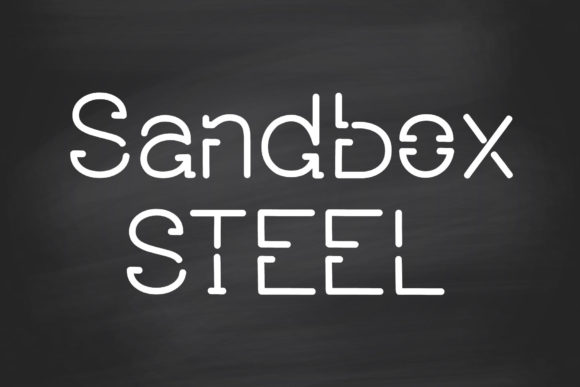
When you’re building a brand or designing a project, the font you choose does more than just display words. It sets a tone. It communicates a feeling before anyone reads a single sentence. Sandbox Steel is a display font that leans into a clean, robotic aesthetic. It’s not trying to be everything. Instead, it offers a specific, modern personality that can bring a sharp, technological edge to your work. Think of it as a design tool with a clear point of view.
The Visual Character: Clean Lines and Robotic Precision
Sandbox Steel presents itself with geometric forms and a sense of mechanical order. The letterforms often feature uniform stroke widths, sharp corners, and a structured rhythm that feels engineered rather than handwritten. This isn't a font that mimics organic textures or human imperfections. Its strength lies in its clarity and its implied association with technology, innovation, and forward-thinking design. The overall appeal is one of professionalism and contemporary style, making it a compelling choice when you want your text to feel authoritative and sleek.
As a premium font, it’s crafted with attention to detail, ensuring consistency across all characters. This makes it a reliable design asset for projects where precision matters. Its personality avoids the warmth of a serif font or the casualness of a handwritten font, positioning it firmly in the realm of modern sans serif aesthetics, albeit with a more pronounced, stylized character suited for impactful headlines.
Where Sandbox Steel Truly Shines: Practical Applications
This font is a display font at heart, meaning it’s designed to capture attention in larger sizes. It’s not your best choice for lengthy body text, but it excels where impact is key.
In logo design, Sandbox Steel can establish an immediate brand identity for tech startups, digital agencies, or any business wanting to project innovation. It pairs well with minimalist layouts, giving the logo a solid, recognizable foundation. For web design, consider using it for main headings, hero section titles, or call-to-action buttons. It creates strong visual hierarchy, guiding the user’s eye to the most important information.
For editorial design and packaging design, the font can add a contemporary twist. Imagine a tech magazine cover or a product label for a modern gadget—Sandbox Steel can make the title pop and communicate the product's cutting-edge nature. In the realm of social media graphics, it’s perfect for creating bold, shareable quotes or announcements that stand out in a fast-scrolling feed. Its clean nature ensures readability even at smaller display sizes on mobile screens.
Entrepreneurs and small business owners will find it useful for business cards, presentation slides, or promotional materials where a professional yet distinctive look is needed. It’s a creative font that doesn’t sacrifice legibility for style, making it a practical tool for both digital and print projects.
Making It Work: Pairing, Readability, and Licensing
Integrating a strong display font like Sandbox Steel into your projects requires some thoughtful consideration. The goal is to use its personality without overwhelming your design.
Choosing the Right Project Fit
Evaluate if the font’s robotic, clean style aligns with your project’s message. It’s ideal for themes related to technology, engineering, futurism, science, or modern minimalism. For a project aiming for a vintage, rustic, or highly personal feel, a different typeface might be more appropriate. Always ask: does this font support the story I’m trying to tell?
Mastering the Font Pairing
Because Sandbox Steel has a strong character, it often benefits from being paired with a more neutral font. A common and effective strategy is to use it for headlines and pair it with a simple, readable sans serif font or even a classic serif font for body text. This creates contrast and ensures your longer paragraphs remain easy to read. For example, using Sandbox Steel for a main title and a clean font like Open Sans or Lora for subheadings and body copy can create a balanced and professional layout.
Understanding Styles and Readability
Check what styles are included with the font family. Does it come with bold, italic, or condensed versions? These variations are invaluable for creating nuanced visual hierarchy in your designs. Always test the font in context. View it at the intended size on both screen and print. Ensure that letter spacing and line height are adjusted for optimal readability, especially if using it for shorter blocks of text like pull quotes or feature descriptions.
Navigating Commercial Use
Since Sandbox Steel is a commercial font, you must review the licensing terms carefully. Understand what the license covers—whether it’s for a single project, multiple projects, or includes web embedding. Proper licensing protects your work and supports the type designers who create these valuable design assets. This due diligence is a critical part of professional practice, ensuring your brand identity is built on a legally sound foundation.
Ultimately, Sandbox Steel is more than just a collection of letters. It’s a stylistic tool. When used thoughtfully, it can elevate a design, clarify a message, and help connect with an audience that appreciates modern, clean aesthetics. Its value lies in its specificity and its ability to lend a distinct, professional voice to your creative projects.