Monoline: The Elegant Script Font for Your Brand
When you're crafting a brand, every detail tells a story. The colors you choose, the images you select, and especially the typography you use all work together to create a specific feeling in the mind of your audience. For many projects, you need a typeface that feels personal, stylish, and full of character. This is where a well-designed script font like Monoline steps in, offering a blend of sophistication and approachability that can define a brand's entire visual identity.
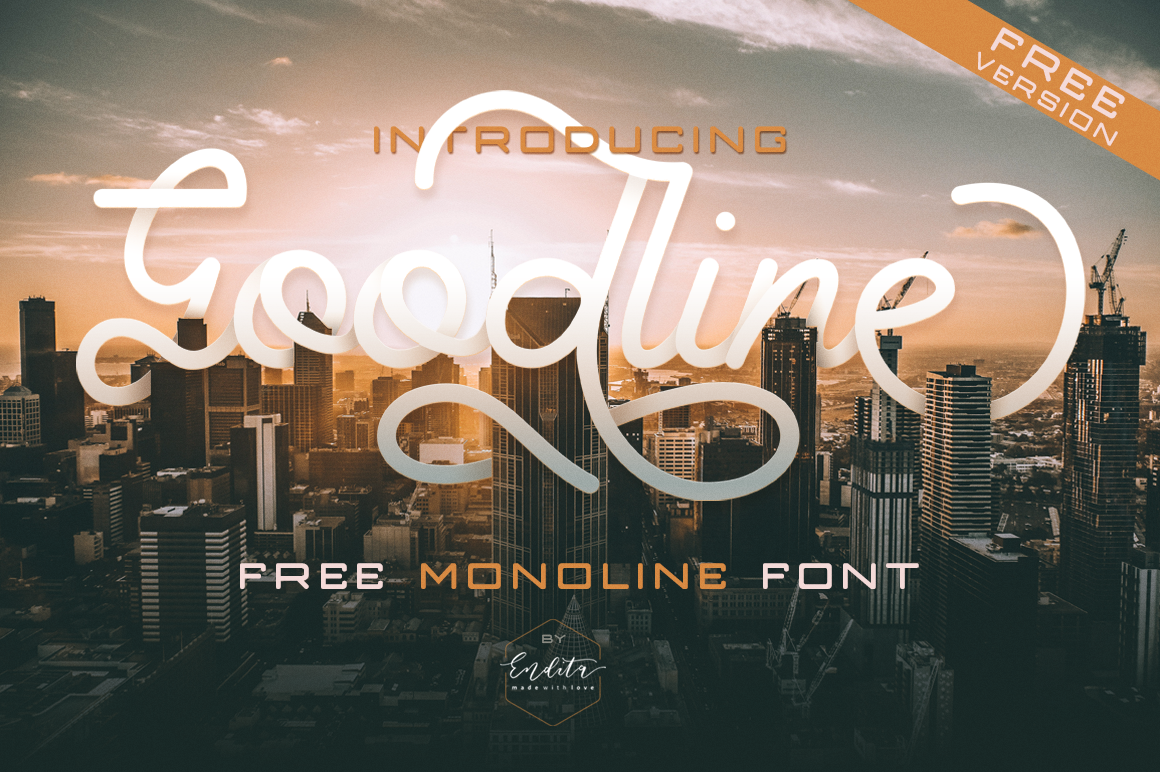
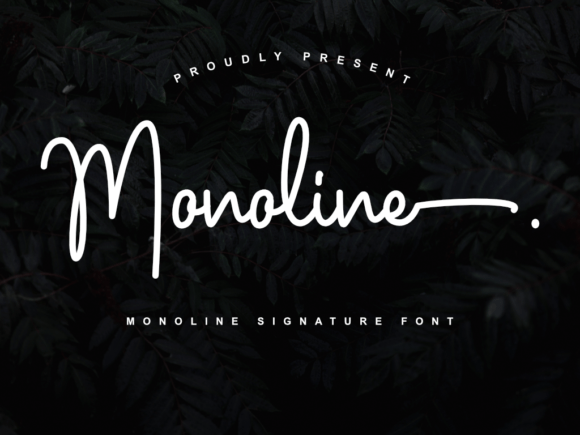
At its core, Monoline is a stylish signature script font. Its defining characteristic is right there in the name: the monolinear weight. Unlike many calligraphic or handwritten fonts that feature thick and thin strokes, Monoline maintains a consistent, uniform line width throughout each letterform. This creates a clean, modern, and incredibly elegant aesthetic. The flow and curves are deliberate and refined, giving it a sense of luxury without feeling overly ornate or stuffy. It’s a typeface that feels both personal and polished.
Capturing a Modern, Luxurious Vibe
The personality of Monoline is one of quiet confidence. It doesn't shout for attention with dramatic flourishes; instead, it draws the eye with its graceful rhythm and impeccable style. Think of the signature on a high-end boutique's shopping bag, the title of a minimalist lifestyle blog, or the logo for a bespoke jewelry maker. Monoline fits perfectly into these contexts because it communicates exclusivity and care. It’s a visual representation of a brand that values quality and pays attention to the finer details.
This makes it a particularly effective choice for brands in the fashion, beauty, wellness, wedding, and artisanal food spaces. A small business owner creating packaging for their handmade candles or a designer developing a logo for a new café will find that Monoline adds an instant layer of perceived value. It tells your customers that your brand is thoughtful, stylish, and trustworthy. The font does a lot of the heavy lifting in establishing that initial emotional connection.
Practical Applications: Where Monoline Shines
Understanding a font's personality is one thing, but knowing where to apply it is where the real value lies. Monoline's versatility allows it to be a powerful asset across a wide range of projects. It’s not just a one-trick pony for logos; its applications span both digital and print, commercial and personal creations.
- Logo Design and Brand Identity: This is Monoline's sweet spot. A logo sets the tone for your entire brand, and a signature script like this one creates an immediate personal touch. It’s excellent for brand names, monograms, and submarks. When used as part of a broader brand identity, it can appear on business cards, letterheads, and thank-you notes, ensuring a consistent and memorable experience for your audience.
- Packaging and Editorial Design: On product labels, gift tags, or the cover of a small-run magazine, Monoline adds a touch of class. It works beautifully for product names or chapter titles, creating a strong visual hierarchy that guides the reader's eye. Its elegance makes it a perfect companion for editorial design where a sophisticated tone is desired.
- Digital and Social Media Graphics: In the fast-paced world of social media, you need graphics that stop the scroll. Monoline is an excellent creative font for Instagram posts, Pinterest pins, and website banners. Use it for quotes, sale announcements, or to highlight a key message. Its distinct look ensures your content is not only seen but also remembered.
- Web Design: While script fonts aren't ideal for long-form body text, Monoline is a fantastic display font for website headers, hero sections, and call-to-action buttons. It can set a welcoming and stylish tone the moment a visitor lands on your page.
- Personal Projects: Beyond commercial use, Monoline is a wonderful asset for crafters and hobbyists. Think custom invitations, personalized stationery, or quotes for wall art. It brings a professional, polished look to any personal project.
Pairing Monoline with Other Typefaces
A script font rarely works in isolation. To create a professional and readable design, you almost always need to pair it with a more straightforward typeface for body copy or supporting information. This is where a solid font pairing strategy becomes crucial. The goal is to create contrast and balance, allowing Monoline to stand out as the star of the show while the secondary font provides clarity.
Because Monoline is a script font with a distinct personality, it pairs best with simple, clean sans serif or serif fonts. Avoid pairing it with another ornate or highly stylized font, as this will create visual chaos.
- With a Sans Serif: Pairing Monoline with a clean, modern sans serif font is a classic and effective combination. The simplicity of the sans serif (like Montserrat, Lato, or Open Sans) provides a stable, readable foundation that allows the elegance of Monoline to truly pop. This pairing is perfect for modern websites, social media graphics, and minimalist branding.
- With a Serif: For a more traditional, sophisticated, or luxurious feel, try pairing Monoline with a classic serif font (like Garamond, Lora, or Playfair Display). This combination works beautifully for high-end brands, wedding invitations, and editorial design projects. The serif adds a touch of timeless formality that complements the script's elegance.
A good rule of thumb is to use Monoline sparingly for headlines, logos, or accent words, and let your chosen sans serif or serif handle the bulk of the text. This creates a clear visual hierarchy and ensures your message is both beautiful and easy to read.
A Guide to Using Monoline Effectively
Choosing the right font is a critical decision. Before you commit to using Monoline for your next project, it's worth taking a moment to evaluate if it's the right fit and how to get the most out of it.
- Evaluate Your Project's Tone: Does your project call for elegance, personality, and a touch of luxury? If you're designing a corporate report for a financial firm, Monoline might not be the best choice. But if you're creating an identity for a boutique hotel, a florist, or a personal blog, it could be perfect. The font's personality must align with the project's goals.
- Consider Readability: While Monoline is more legible than many handwritten font styles, it's still a script. Avoid using it for long paragraphs of text or at very small sizes, where its connecting letters can become difficult to decipher. It's a display font, meaning it's designed for impact in headlines and short bursts of text, not for setting body copy.
- Test Your Pairings: Before finalizing a design, create mockups with your chosen font pairing. See how Monoline looks next to your body copy font at different sizes. Does the contrast work? Is the hierarchy clear? A little testing can save a lot of headaches later.
- Check the Character Set: A good premium font comes with more than just the basic alphabet. Look to see if Monoline includes numbers, punctuation, and special characters or ligatures that might enhance your design. These extra details are the mark of a high-quality typeface and can add a unique flair to your work.
- Understand the License: Monoline is a commercial font, which means it requires a license for use. Always ensure you purchase the correct license for your needs, whether it's for a single client project, a product you intend to sell, or use across your entire business. Respecting font licensing is a crucial part of professional practice and protects you legally.
Ultimately, a font like Monoline is more than just a collection of letters. It's a powerful design asset