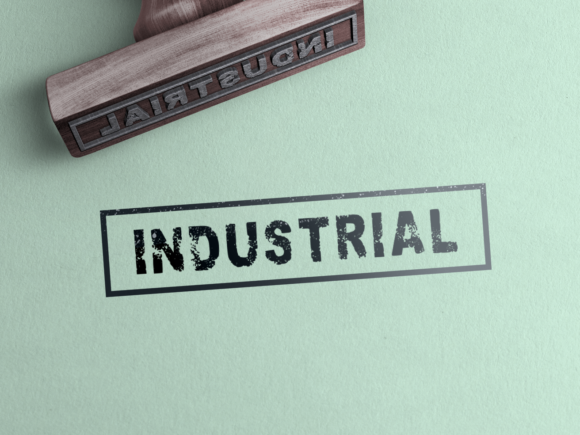
Industrial: The Bold, Stamped Typeface for Authentic Brands
There is a certain weight to a stamp. Whether it’s on a heavy cardboard box, a vintage postcard, or even the dough of a fresh pancake, the impression is undeniable. It is tactile, slightly imperfect, and carries an inherent sense of authority. In the world of modern typography, capturing that raw, tactile energy without looking messy is a difficult balance to strike. This is where Industrial enters the conversation. It is a premium display font designed not just to be read, but to be felt. By mimicking the uneven ink transfer of a rubber stamp, this typeface brings a level of grit and authenticity that digital perfection often lacks.
The Anatomy of a Stamped Aesthetic
When you look at the letterforms of Industrial, you aren't seeing a perfectly geometric sans serif font, nor are you looking at a traditional serif font. Instead, you are witnessing a masterclass in controlled chaos. The defining characteristic of this typeface is its texture. The edges are not smooth vectors; they are eroded and weathered. This creates a visual "roughness" that mimics the physical limitations of ink and paper.
However, the design of Industrial is far from random. It balances that distressed texture with excellent structural integrity. The letter spacing and kerning are calculated to ensure that even with the jagged edges, the words form cohesive shapes. This makes it a highly effective display font. It commands attention in a logo design because it feels established and historic, yet it remains legible at large scales. It doesn't scream for attention with bright colors; it demands it through texture and weight. For designers looking to avoid the sterility of stock vector art, this font offers an immediate injection of personality.
Strategic Applications: Where Texture Meets Function
Understanding where to deploy a typeface like Industrial is just as important as the font itself. Because it is a display typeface, it is not intended for long-form body copy. Trying to read a 10-point paragraph set in a stamped font would be exhausting for the eye. Instead, its power lies in the headline, the hook, and the branding.
In packaging design, Industrial shines brightest. Imagine a craft brewery’s label or a box of artisanal coffee. The stamped effect suggests that the product is handmade or produced in small batches. It implies quality and labor. Similarly, in editorial design, a magazine cover or a book jacket using this font can instantly set a gritty, noir, or industrial tone. It works beautifully for music posters, festival lineups, and streetwear branding where a raw edge is a virtue.
For web design and social media graphics, the font offers a solution to the "flat" problem. Modern digital interfaces can often feel lifeless. Using Industrial for a hero section header or a YouTube thumbnail can break the visual monotony. It provides a focal point that feels three-dimensional, bridging the gap between the digital screen and the physical world.
Visual Hierarchy and Brand Psychology
Typography is silent communication. The font you choose tells your audience how to feel about your brand before they read a single word of your copy. Industrial speaks a language of durability, honesty, and heritage. When a small business owner uses this typeface for their brand identity, they are signaling that they value substance over flash.
This font creates a strong visual hierarchy. Because of its heavy texture and bold presence, it naturally sits at the top of the pecking order. It anchors a layout. If you pair it with a clean, geometric sans serif font for your body text, the contrast is striking. The Industrial headers provide the "shout," while the clean body copy provides the "whisper." This dynamic interplay keeps the reader engaged. It prevents visual fatigue and guides the eye naturally from the headline down to the details. It is a tool for engagement, ensuring that your most important messages are not just seen, but remembered.
Practical Guide to Implementation and Pairing
Adopting a creative font like Industrial requires a bit of strategy. You cannot simply drop it into a document and hope for the best. Here is how to get the most out of this asset:
- Evaluating Project Fit: Ask yourself what the project is trying to say. If you are designing for a high-end law firm or a delicate wedding invitation, Industrial is likely the wrong choice. However, if you are working on a gym logo, a construction company flyer, a vintage clothing brand, or a tech startup that wants to look "scrappy" and hardworking, it is perfect.
- Testing Font Pairings: As a general rule of thumb, contrast is king. If your headline is Industrial, your body text should be something neutral. A simple sans serif font like Helvetica or Open Sans works well. Alternatively, a clean serif font can add a touch of elegance to balance the grit. Avoid pairing it with other distressed fonts or overly complex script fonts, as this will create visual noise.
- Readability Considerations: Always check the legibility at the size you intend to use it. While it is a high-quality typeface, the distressed nature means that very tight kerning at small sizes can cause letters to bleed into one another visually. Use it large and use it proud.
- Licensing and Usage: Ensure you are using a legitimate commercial font license. Industrial is a professional design asset. Proper licensing ensures you can use it legally across all your platforms, from your website to printed merchandise.
Beyond the Basics: Unleashing Creative Potential
While the standard application is effective, the true magic of Industrial lies in how you manipulate it. Because it mimics a stamp, it interacts with backgrounds in interesting ways. Try overlaying it on textured paper backgrounds or vintage photographs. The rough edges of the font will blend seamlessly with the grain of the image, creating a cohesive, retro look.
You can also play with color opacity. A solid black Industrial typeface looks strong and authoritative. However, lowering the opacity slightly can mimic the look of an old stamp that didn't get enough ink, adding to the vintage charm. For social media creators, this font is a secret weapon for creating "sticker" effects. By adding a slight drop shadow or an offset stroke, the text looks like it was physically stamped onto the screen.
Ultimately, Industrial is more than just a collection of letters; it is a mood. It is for the entrepreneur who builds things with their hands, the designer who appreciates history, and the marketer who knows that authenticity sells. It bridges the gap between the rugged past and the digital present, offering a timeless tool for anyone looking to make a bold statement.