Detailed Font: A Geometric Sans-Serif with a Distinctive Edge
Finding a typeface that feels both fresh and reliable can be a real challenge. You need something that stands out in a crowded visual landscape but doesn’t sacrifice clarity or professionalism. That’s where Detailed Font enters the conversation. It’s a geometric sans-serif that manages to be both strikingly original and surprisingly adaptable, making it a valuable tool for anyone building a brand or crafting content.
Understanding the Visual Character of Detailed Font
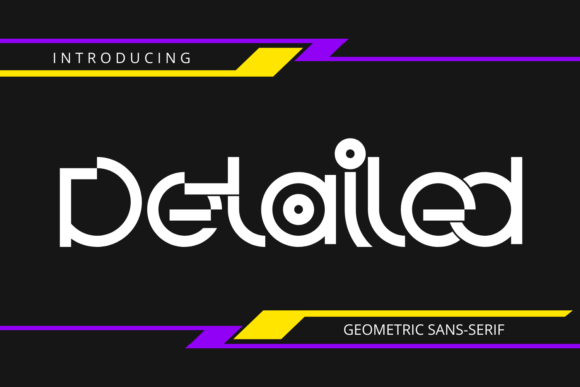
At its core, Detailed is a sans serif font built on geometric principles. Think of the clean, circular forms of classics like Futura or Avenir, but with a distinct twist. Its most notable feature is the subtle variation between its uppercase and lowercase letterforms. This isn't a wild, inconsistent script; it's a deliberate design choice that injects personality. The capital letters might have slightly different terminal shapes or stroke weights compared to their lowercase counterparts, creating a dynamic rhythm when you mix cases in a headline. This quality makes it a creative font that avoids looking sterile or overly corporate.
The overall appeal is one of modern typography with a touch of humanist warmth. It’s confident and structured, ideal for making a clear statement, yet the nuanced details prevent it from feeling cold. This balance is crucial for contemporary design, where brands strive to be both authoritative and approachable. As a premium font, it offers a level of refinement that free alternatives often lack, with careful attention paid to kerning, spacing, and optical corrections.
Where Detailed Font Truly Shines: Practical Applications
The real test of any typeface is how it performs in real-world projects. Detailed Font excels in scenarios where you need to capture attention quickly and convey a sense of considered style. Its strength lies primarily as a display font, perfect for making a bold impression.
- Branding & Logo Design: For startups, tech companies, boutique agencies, or lifestyle brands, Detailed offers a fresh take on a sans serif font. Its unique character helps in creating a brand identity that feels distinctive and memorable without being gimmicky. Imagine it on a logo for a modern furniture maker or a digital marketing firm—it communicates innovation and attention to detail.
- Headlines & Editorial Design: In editorial design, whether for a magazine, blog header, or book cover, a strong headline font is non-negotiable. Detailed’s geometric foundation ensures high impact, while its stylistic variations add visual interest that can draw readers into an article or story. It pairs exceptionally well with a neutral body copy serif font for a classic yet contemporary layout.
- Digital & Web Design: On websites and apps, clarity and personality are key. Detailed works wonderfully for hero sections, navigation menus, and call-to-action buttons. Its clean lines ensure excellent legibility on screens, making it a solid choice for web design projects that prioritize user experience and aesthetic appeal.
- Packaging & Social Media: For packaging design, especially for products aimed at a design-conscious audience, this font can elevate the entire presentation. Its modern feel suits everything from artisanal coffee bags to tech gadget boxes. Similarly, for social media graphics, it helps create templates and posts that look polished and professional, boosting brand recognition across platforms.
It’s less suited for long-form body text where a traditional serif font or a highly optimized sans serif font for reading might be preferable. Its place is in the spotlight, guiding the viewer’s eye and establishing tone.
Making Detailed Font Work for Your Project
Choosing the right font is a strategic decision. Here’s how to approach integrating Detailed into your work effectively.
First, consider font pairing. Because Detailed has a strong personality, it often benefits from a more subdued companion. A classic serif font like a Garamond or a simple, humanist sans-serif for body text can create a harmonious and readable hierarchy. Avoid pairing it with other highly decorative or script fonts, as this can lead to visual chaos. Test combinations in context—place a headline set in Detailed next to paragraphs of your proposed body font to see how they interact.
Next, explore the design assets included with the commercial font. Does it come with multiple weights (Light, Regular, Bold)? Are there italics or alternate characters? Understanding the full family allows you to use it more flexibly across a brand identity system, ensuring consistency from a business card to a billboard. Always review the licensing. For commercial projects—whether you’re a small business owner, a publisher, or a designer creating client work—ensuring you have the proper commercial font license is essential to avoid legal issues down the line.
Finally, always test for readability in its intended environment. A font that looks stunning in a design program might behave differently on a low-resolution screen or when printed on textured paper. Check the kerning (the space between specific letter pairs) in your actual text, especially in headlines where it’s most noticeable. Does "AV" or "To" look balanced? Does the unique character of the font enhance or hinder quick reading at a glance?
Detailed Font is more than just another geometric option. It’s a thoughtfully crafted tool that blends the reliability of geometric forms with a dose of originality. For designers, entrepreneurs, and creators looking to inject a modern, distinctive voice into their visual communications, it’s a creative font worth serious consideration. Its ability to function as a powerful display font across logo design, digital platforms, and print collateral makes it a versatile and valuable addition to any typographic toolkit.