Carved Wood: Bringing Bold Texture to Your Designs
A Typeface with a Story to Tell
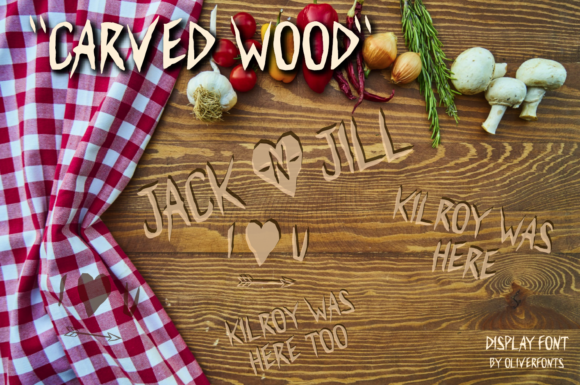
Some fonts simply sit on a page, but others leap off it, demanding attention and setting a mood before a single word is fully read. Carved Wood belongs firmly in the second category. It’s not just a collection of letters; it’s a design statement. This premium font draws its inspiration from the rugged, handcrafted feel of traditional woodcut lettering and rustic signage. Each character in this display font carries a weight and texture that feels tangible, as if it were chiseled into timber or stamped with weathered ink.
The visual personality of Carved Wood is unapologetically bold and rustic. The strokes are thick and substantial, often featuring slight irregularities, beveled edges, or a textured fill that mimics the grain of natural wood. Unlike the clean precision of a modern sans serif font or the flowing elegance of a script font, this typeface embraces imperfection. That’s its greatest strength. It communicates authenticity, craftsmanship, and a connection to nature or heritage. It’s the kind of font you choose when you want your message to feel established, trustworthy, and full of character.
Where This Font Truly Shines
Understanding where to deploy a creative font like Carved Wood is key to using it effectively. Its robust nature makes it a poor choice for long paragraphs of body text, but it’s an exceptional tool for headlines, logos, and impactful short-form copy.
For logo design, it’s a powerhouse for brands that want to project strength, tradition, or an outdoorsy vibe. Think of breweries, artisanal food producers, woodworking shops, outdoor apparel companies, or even a rugged coffee roaster. The font instantly builds a piece of the brand identity, telling customers they can expect something genuine and handcrafted. In packaging design, using Carved Wood for product names on labels for jams, craft spirits, or handmade soaps can elevate the perceived value and connect the product to a story of careful creation.
Beyond physical products, its impact is just as strong in the digital and editorial spaces. As part of your design assets for web design, it can be a striking choice for hero section headlines, landing page titles, or featured blog post headers. It breaks the monotony of standard web fonts and creates a memorable visual hook. For editorial design, such as magazine covers or chapter openers, it can set a powerful thematic tone. Even in social media graphics, a bold quote or announcement set in Carved Wood can stop the scroll, adding a tactile quality that stands out in a feed of minimalist text.
Making It Work: Practical Design Guidance
Choosing a display font is one thing; integrating it successfully into a cohesive design is another. Here’s how to approach working with Carved Wood to ensure it enhances rather than overwhelms your project.
Evaluating Project Fit and Readability
First, consider your project’s core message. Is it modern, sleek, and corporate? Carved Wood is likely not the right fit. Is it rustic, artisanal, adventurous, or historical? Then you’re on the right track. Always prioritize readability considerations. Because of its textured, bold style, it works best at larger sizes where the details can be appreciated. Test it at the intended scale to ensure legibility isn’t compromised.
The Art of Font Pairing
The true magic happens when you pair Carved Wood with other typefaces. Its strong personality needs a contrasting partner. For a balanced hierarchy, pair it with a clean, simple sans serif font or a highly legible serif font for body copy. The contrast allows the display font to command attention without causing visual chaos. Avoid pairing it with other highly decorative fonts like a competing handwritten font, as they will fight for dominance.
Reviewing Styles and Licensing
Before purchasing, review the full character set and any included styles. Does the commercial font include alternate characters, ligatures, or multilingual support? These features can add valuable flexibility. Furthermore, always confirm the commercial licensing terms to ensure they cover your intended use, whether for a client’s logo, a product line, or a digital publication.
Ultimately, Carved Wood is more than just a typeface—it’s a tool for storytelling. By understanding its strengths and applying it with intention, you can use this bold and unique font to create designs that don’t just communicate a message, but also evoke a powerful feeling. Add it to your toolkit for your next creative project and watch how it transforms your work with its distinctive, textured presence.